Nowadays, most people use online banking daily. Mobile phones and computers help us check balances, pay bills, and transfer money. This convenience enables criminals to send fake emails and text messages regarding financial matters. These fraudulent messages look incredibly realistic and aim to trigger panic and instinctive reactions. Many of these emails impersonate reputable banks and use familiar logos, colors, and language. A notification that your account is at risk can be frightening and lead to a frantic attempt to resolve the problem. Scammers take advantage of this fear and desperation. These fake emails aim to steal passwords, card numbers, and security codes. Understanding how these scams work is the first step toward safety. Recognizing the warning signs helps identify suspicious text messages before any damage occurs. Staying calm and alert are your best tools.
Scammers Posing as Banks
The fake communications regarding financial matters look incredibly legitimate, which is alarming. Scammers spend a lot of time impersonating banks. They use the same logos, fonts, colors, and official signatures. Occasionally they even copy the email layout almost completely. This can mislead some people and make them believe the information is genuine. These emails may contain fake customer service phone numbers or links that appear to come from bank websites. Many people trust information that looks “professional.” Scammers exploit this trust. They know that when customers think information comes from a bank, they rarely check the details carefully. Some fraudulent emails use your name to make the email sound more personal. Others claim to come from an anti-fraud or security department. These techniques make the message appear urgent and official. If you understand how carefully scammers craft these emails, you will be more cautious before clicking.
Emails From Unknown Senders
Email addresses are easy to recognize as warning signs. The sender’s name may seem trustworthy, but the email address usually reveals the truth. Scammers use subtly modified fake addresses. These modifications can consist of adding extra letters, numbers, or strange domain names. The email may originate from a free email provider or an unknown website, rather than a bank domain. People usually only read the display name and not the email address. This is such behavior, exactly what scammers want. Upon closer examination, you will notice that the email address looks strange or has nothing to do with the bank. The address may contain strange characters or spelling errors. Legitimate banks generally use standard and consistent email addresses. Subtle deviations usually indicate that it is a fraudulent email. Be alert and wait a moment before responding.
Messages that Sow Panic
Scammers like to sow panic. They know that fear fuels impulsive actions. Fake messages from banks often use urgent language. They may threaten to block your account, deactivate your debit card, or put your savings at risk. These messages usually set urgent deadlines and demand immediate action. This common tactic influences judgment. Legitimate banks encourage caution, not panic. They rarely send urgent deadlines to customers via email or text message. When you see words like ‘urgent,’ ‘immediate,’ or ‘ultimatum,’ take a moment and think carefully. Scammers exploit people’s emotional reactions. By staying calm and reading the message carefully, you can recognize more warning signs. When immediate action is required, take a moment and read the message thoroughly.
Requests for Personal or Sensitive Data
Requests for personal information in fake financial correspondence are a dangerous sign. Scammers ask for passwords, PINs, card numbers, and security codes. They may claim they need this information to secure your account or for identity verification. This sounds reasonable, especially when it involves important information. Reliable banks, however, rarely ask for crucial information via email or SMS. They understand that they must protect such data. Any communication requesting personal information should raise suspicion. Even if the sender seems friendly or helpful, providing this information can have serious consequences. This information can help fraudsters hack your account or set up new scams. Remember: never give your personal details to anyone you
Suspicious Links that Look Authentic
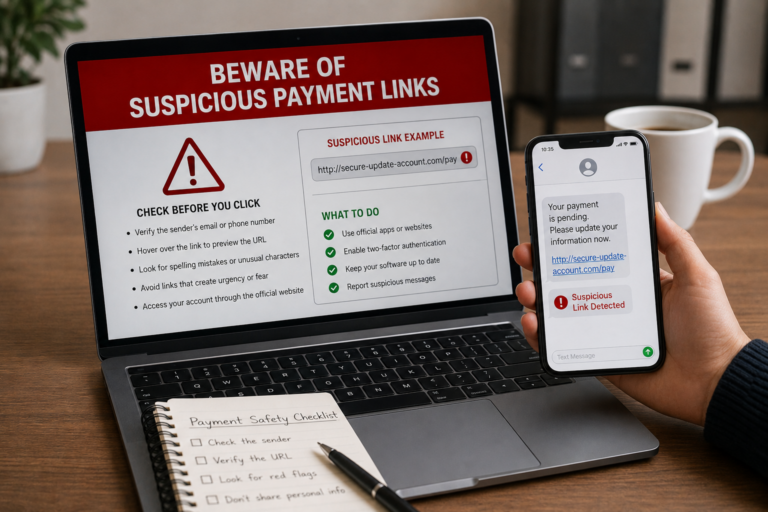
Many fraudulent financial messages use seemingly safe URLs. These links look like those of banks, but there are subtle differences. Scammers assume that victims will click quickly without checking. If you click the link, the fake website can steal your login credentials. These websites often look professional and convincing. Some even mimic real login pages. Subtle variations in the URL can make a big difference. Links with extra letters, numbers, or strange domain names ending with them are fake. Do not click on the links immediately. Instead, manually enter the bank’s web address into your browser. A simple habit can prevent a lot of scams. By checking access to websites, you reduce the chance of ending up on fake websites.
Grammatic Errors and Strange Language
Common warning signs are grammatical errors or unusual terminology. Fake messages are often hastily written and contain spelling mistakes and strange language. Real banks sometimes make mistakes, but they carefully check all communications. The tone of fraudulent emails is often strange. Unusual greetings or formal phrasing can make you feel uncomfortable. Some emails have a different tone or style. As these details indicate, the email does not originate from a professional banking team. Trust your instincts when reading emails. If the language or content of an email sounds unusual or rushed, it is likely a scam. Pay attention to these subtle signals to recognize scams early on. The language can betray the origin of an email.
Unexpected Email Attachments
Fake emails from banks may contain attachments. These attachments can be invoices, bills, or security documents. The notification may suggest that you are downloading a file to verify your account details. Scammers often use this method. Attachments can contain malware that can steal data or damage your device. Real banks rarely send attachments without prior notice. Do not open unexpected attachments. Curiosity can be dangerous with unknown files. Even if the filename sounds formal, it may contain harmful content. Do not download attachments from unexpected emails and check the source. This simple action can protect your data and devices.
Fake Rewards, Refunds, and Offers
Not all fake emails from banks are alarming. Some use excitement and enticing news to hide the truth. For example, scammers claim that you have received a reward, discount, or special offer. This information gives the recipient a sense of flattery and makes them eager to respond. In the excitement, people may overlook certain details. To claim a reward, fake offers often require clicking or confirmation. Personal data can also be collected in this way. Most banks pay out rewards via apps or secure accounts, not via email or SMS. If you unexpectedly receive a reward offer, think carefully before responding. You should generally approach anything that seems too good to be true with great caution.
What to do About Suspicious Messages
Recognizing warning signs is important, but knowing what to do next is crucial. Do not respond to suspicious messages. Do not click on links, do not download attachments, and do not reply to them. Use the official contact details on your bank’s website or app. This allows you to verify the authenticity of the message. Reporting the message can lead to its removal, which reduces the risk. Staying calm and taking the necessary precautions can help prevent problems. Raising awareness among family and friends can also make the internet safer. The more people understand these scams, the harder it is for fraudsters to succeed.
Daily Safety Habits for Online Banking
Cybersecurity is about developing basic habits, not fear. Spending a few extra seconds analyzing information can make a big difference. Avoiding clicking on suspicious links, checking senders, and confirming requests are small but effective protective measures. With time, these habits will become automatic. The internet offers many benefits, and online banking is convenient. By staying alert and acquiring relevant knowledge, you can safely enjoy these conveniences. Practice makes perfect, and learning makes you safer.
Conclusion
Realistic fake emails and text messages from banks can cause emotional fluctuations. Feelings of urgency, fear, and excitement can prompt people to disclose sensitive information. Recognizing common warning signs can help you think before you act. Stay calm when faced with suspicious email addresses, urgent wording, requests for personal information, or unexpected links. Simple security measures can protect your data and reduce stress. Banking online with confidence and peace of mind requires knowledge and caution.