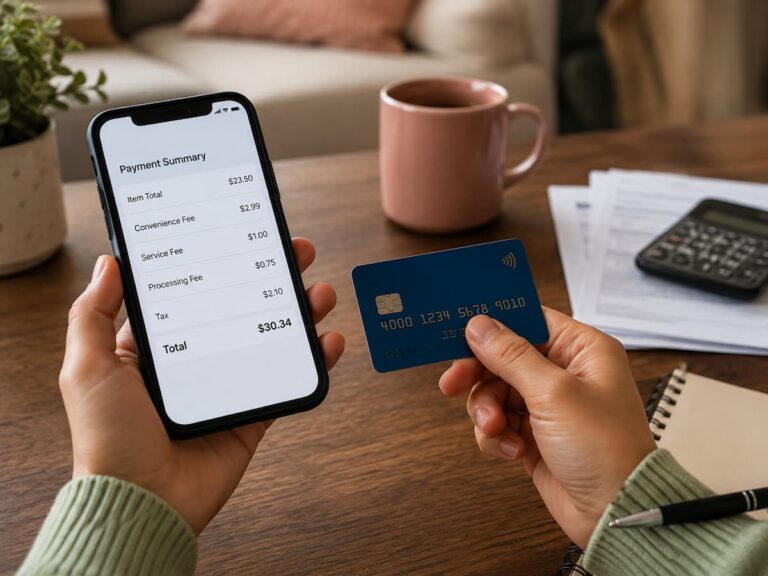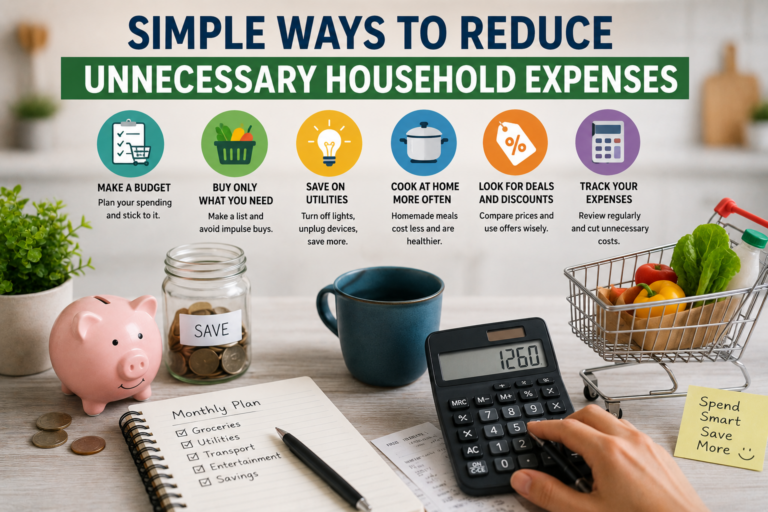

In today’s digital world, subscriptions have become an integral part of our lives, subtly integrated into our daily routines. From entertainment platforms and mobile apps to fitness programs, cloud storage, and even everyday products, we use various subscription services without being aware of it. These costs may initially seem insignificant, but over time they accumulate in ways that many people do not even notice.
Our consumption habits have changed, and the often-overlooked topic of subscription costs has become increasingly important. Nowadays, we no longer buy things outright but instead pay monthly or annually for ongoing use. This change makes life easier, but it also ensures that personal expenses are less visible and harder to track.
This means that many people and households are actually paying for services they rarely use or have long forgotten about. This is not just about saving money; it is about understanding where our monthly money goes and which of these seemingly insignificant expenses contribute to our overall financial security.
The True Meaning of Subscription Costs in Daily Life
Subscription costs refer to ongoing payments for goods or services until the subscription is terminated. These can include streaming platforms, mobile apps, software tools, educational platforms, fitness programs, delivery or subscription services, and more.
Subscription services are convenient and adaptable in daily life. A single subscription runs automatically in the background. It is precisely this convenience that causes many people to overlook subscription costs. Automatic payments ensure that it does not feel like a “real expense”, such as buying a physical product with cash.
However, this convenience also creates a barrier between the user and the actual expenses. When money does not visibly flow out of their hands, it is easy to forget how many services they are subscribed to. This can lead to people repeatedly subscribing to similar services or to services that they no longer need months or even years later.
Subscription Costs Accumulate Silently
The most important thing to understand about subscription expenses is that they accumulate very slowly. A single subscription might seem insignificant, but multiple subscriptions combined can amount to a substantial monthly expense.
For example, a person might subscribe to a music streaming service, a movie streaming service, cloud storage services, and various mobile apps. Individually, these costs might seem acceptable. But added together, they constitute an ongoing monthly expense that is unavoidable, regardless of whether you use the services or not.
This accumulation of costs often happens gradually. People sign up for free trials, take advantage of offers, or meet short-term needs and then forget to cancel their subscriptions. Because payments are processed automatically, there are no interruptions. Ultimately, this creates a habit of unconscious monthly spending. It is like leaving taps running in different parts of your house. These drops might seem small, but they add up to a significant waste.
Why People Forget to Check Subscription Costs
People often overlook subscription costs for various obvious reasons. A major reason is convenience. Automatic payments eliminate manual intervention and make life easier, but they also reduce awareness of the costs.
A psychological factor also plays a role. “When a service becomes part of daily life – such as watching series or using an app – people do not perceive it as an extra expense.” Even if it still costs money, people feel it is a natural part of daily life.
Additionally, there is the problem of digital information overload. Many people have multiple devices and accounts, making it difficult to keep track of all subscriptions. Over time, older subscriptions are overshadowed by new ones. This essentially means that people are not inherently ignorant but live in a system with limited transparency regarding costs. Even responsible users can forget certain ongoing costs if they do not check them regularly.
Practical Examples of Forgotten Subscription Costs
Subscription costs manifest themselves in various ways across many aspects of modern life and are often easily overlooked. Streaming services are a well-known example. People might subscribe to various platforms to watch different series or movies but often end up using only one or two regularly.
Mobile apps are another popular area. Many apps offer paid premium versions, where users pay monthly or annually. Many users sign up for specific needs, such as image editing or learning a new skill, but then stop actively using the service, even after their subscription is still valid. The same applies to fitness services. People might sign up during motivational periods like New Year’s or to achieve new personal goals, but then stop while the costs continue to mount.
Cloud storage, productivity tools, and even online learning platforms can lead to unnoticed costs. These services can be incredibly useful, but only if you actually use them. If they are not evaluated regularly, they become silent costs in daily life.
Impact on Families and Small Businesses
Uncontrolled subscription costs can creep into a family’s monthly budget unnoticed. The price of each service may seem reasonable, but the total costs can limit purchasing power. This often only happens when consumers feel that their money is “disappearing” faster than expected.
In small businesses, the impact can be much more complex. Teams may subscribe to multiple tools for communication, design, storage, or marketing. Over time, independently registering multiple departments for similar services can lead to double payments.
In all cases, the biggest problem is not so much that a single service is too expensive, but rather the lack of transparency regarding all services. Without relevant information, it is difficult to understand the true costs of the digital tools and services we use daily. It is like receiving a stack of different bills every month but having no central overview anywhere. Individually, these bills might seem harmless, but together they can have a much greater impact on financial stability than we think.
The Secret World of Free Trials and Automatic Renewals
The structure of free trials and automatic renewal systems is one of the most common reasons why subscription prices are overlooked. Many services allow users to register without prior purchase, creating a low sense of obligation. However, subscriptions are often automatically renewed after the trial period ends.
This change can be subtle, especially if the consumer does not actively monitor the end date of the trial period. Sometimes consumers stop using the service during or after the trial period, yet charges are still incurred unknowingly.
Automatically renewing services are designed to offer convenience and uninterrupted access to the service. This is very beneficial for users who rely on a service daily, but it can also lead to unused subscriptions continuing unnoticed. In practice, this sometimes results in consumers paying for services they “no longer use”, simply because the cancellation process was never completed.
The Challenges of Managing Multiple Subscriptions
Managing subscriptions is more difficult than you might think. One problem is the proliferation of websites offering subscription models. Nowadays, almost every digital service offers some form of recurring payment.
Fragmentation is another problem. Subscriptions are often spread across multiple apps, websites, and payment methods. This makes it difficult for users to view all their costs in one place, unless they actively search for them.
Furthermore, changing needs pose a problem. A service that was useful six months ago may now be worthless, yet payments continue because users have not reassessed its value. In reality, managing subscriptions takes a significant amount of time and effort, which is not a priority for many busy people.
Trends in Subscription Services
Subscription models are still evolving. As more sectors switch to recurring payment models, service providers gain predictable revenue, while customers have more flexibility in using the service.
Subscription services are becoming increasingly personalised and segmented. Nowadays, consumers are no longer limited to one large service but can choose from a range of smaller subscriptions designed to meet their individual needs. This increases flexibility but also the number of active members per person.
Another trend is bundled subscriptions. Multiple services are bundled together. This seems simpler, but if consumers do not carefully check whether they have used all features, they can still miss payments. As the subscription market flourishes, it is becoming increasingly important to make consumers aware of the possibilities.
Conclusion
An important factor in our current financial lives that is easily overlooked is subscription costs, which people often forget to monitor. Subscription services are convenient and flexible and offer continuous access to services. However, they also contribute to spending patterns that make expenses less noticeable and harder to track.
Streaming services, mobile apps, cloud services, gym memberships – these seemingly insignificant recurring costs can add up to a significant expense if they are not checked regularly. In daily life, this means that people may be paying for services they no longer use or need because they do not actively keep track of them.
You do not need complex tools or specialized financial knowledge to discover these patterns. You only need to understand how subscription systems work and how they play a role in our lives unnoticed.
FAQs
1. Why are subscription costs often overlooked?
Subscription costs are sometimes less noticeable than one-time purchases because they are automatically debited in the background.
2. If I forget a subscription, does that mean I no longer need it?
Not necessarily. Even if you do not see certain subscriptions often, they can still be useful. But by checking them monthly, you can ensure that you still need them.
3. How do free trials lead to forgotten costs?
Free trials can lead to forgotten costs because consumers continue to use a service after the trial period has ended, without realising that they have switched to a paid subscription.
4. Why is it important to check subscriptions regularly?
Regular checks help people understand where their money is going and ensure they only pay for the services they use.
5. Can subscription costs have consequences for individuals and businesses?
Yes, subscription costs can be harmful to individuals and businesses, especially when there are many subscriptions that are no longer needed or have overlapping features.