
Check Whether the Payment Can Still Be Cancelled
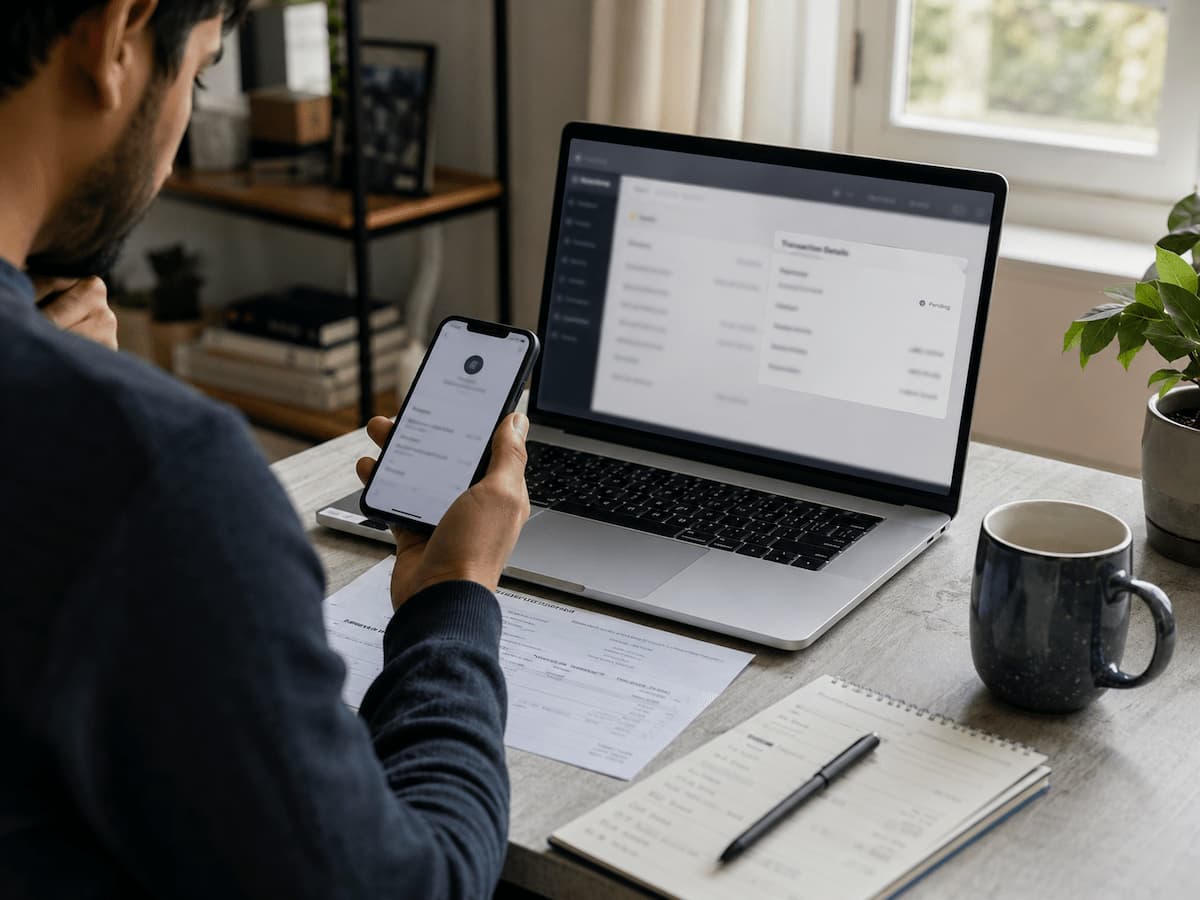
The first thing you need to check is whether the transfer has been completed. Check the transaction status in your banking app or with your payment service provider. Cancellation options for pending or scheduled payments may differ from those for completed payments. Always read the instructions before using a cancellation option. Some services allow cancellation within a limited time, while others do not allow it once processing is complete. Do not assume that closing your bank’s app or deleting payment notifications will stop the transfer. Once you have confirmed the error, use your bank’s or payment service provider’s cancellation or assistance procedure. If there is no cancellation option, please contact them immediately. Save or take a screenshot of the transaction details, including the reference number. This information can help the service provider locate the payment quickly.
Contact Your Bank or Payment Provider Immediately
If you have already sent the payment, contact your bank or payment service provider immediately. Use your bank card’s phone number, statement, or website, not an accidentally sent text message. Clearly indicate that you paid the wrong person and provide the transaction details. They may ask for the amount, the date, the recipient, and the payment reference number. Please have this information ready before contacting customer service. Which recovery mechanism applies to your payment? The service provider may contact the recipient’s bank or request a refund. Payments are not always refundable. Note the date, time, and bank reference number of your call. This information is useful for follow-up.
If You Know the Recipient, Contact Them Carefully
Sometimes the mistake is simple. You may have accidentally transferred money to a friend, family member, colleague, or business contact. If you recognize the recipient, please contact them and explain the mistake. Keep the message short and clear and use a respectful tone. Please clarify that the payment was made in error and request a refund through the appropriate method. If the payment was made via bank transfer, the recipient should follow the bank’s instructions instead of attempting unknown detours. Do not make any further payments to “correct” the original error until the error has been confirmed. A second transfer can complicate the situation if the first payment was not a mistake. Avoid sharing personal data with unknown recipients. Rely on your bank or payment institution to recover the money.
What If the Recipient Is a Stranger?
Accidentally transferring money to a stranger can be tricky. Finding the recipient without direct contact can create privacy and security risks. First, contact your bank or payment service provider. Please explain the error and provide all relevant details. The service provider can recover the money from the receiving institution. The specific procedure depends on the payment method, the financial institution, and the transaction terms. Automatic recovery is not guaranteed. The situation may worsen if the recipient has already withdrawn or spent the money. Therefore, please report the error immediately.
Not all Payments Can be Reversed
A common misconception is that banks can reverse erroneous payments. Whether money can be recovered depends on the payment method and the circumstances following the transaction. Dispute resolution procedures for debit card payments may differ from those for bank transfers. Scheduled payments can be canceled before they are processed, but completed transfers may need to be recovered. Mobile payment services may also have their own rules. There can also be a difference between accidentally transferring money to the wrong person and a scam. Both situations must be reported immediately, but service providers may handle them differently. Ensure that you describe the situation honestly and accurately. Providing accurate information to the bank helps them choose the correct collection method.
Beware of Subsequent Scams
After an incorrect payment, you may fall victim to collection fraud. Be wary if someone suddenly asks you for extra charges, passwords, one-time security codes, or access to your device. Legitimate banks and payment service providers will never ask for your online banking password or security code. If someone impersonates a bank employee, please end the conversation immediately and contact the bank’s official channels. Be extra cautious with anyone claiming that a prepayment guarantees a refund. Scammers sometimes specifically target victims with financial problems. If someone contacts you and the conversation seems suspicious, do not panic. Contact your bank immediately and follow their instructions.
Keep a Record of Errors and Proof of Collection
A good overview can reduce your stress. Keep transaction confirmations, payment references, and screenshots. Save emails from your bank and payment service provider. Record all conversations you have with the scammer. Even if you are angry, avoid threats and abusive language. A calm and objective attitude facilitates handling by the authorities. Note the date on which you discovered and reported the error. Keep your bank’s case number or reference number safe. Although this information does not guarantee recovery, it can help estimate the recovery timeframe and facilitate follow-up.
Unrecovered Amounts
Not all amounts can be recovered quickly. If your bank has filed a recovery request, inquire about the latest progress and the next steps. If other financial institutions are involved, it may take longer. If the bank cannot recover the amounts, request to start a formal complaint or dispute procedure. Depending on your country and the type of payment, independent financial ombudsmen or consumer protection organizations can provide you with more information. Do not assume that all cases will have the same legal outcome. Laws regarding erroneous payments vary by region and specific circumstances. If recovery fails and a large amount is involved, you may want to seek independent legal or financial advice. Do not set unrealistic expectations. Reporting errors early increases your chances of recovery, but it is not a guarantee.
Prevent Repeated Errors
It is ideal to prevent payment errors before making a transfer. Before confirming a payment, check the recipient’s name, account number, and amount. If possible, test a small amount first. Never rush a large transfer. By taking a moment, you can uncover any missing details or incorrect recipients. Please manage your payment contacts carefully. Payment apps should remove outdated or duplicate contacts, especially if the names are similar, as it is all too simple to select the wrong person. Keep your autofilled and saved recipient information. Convenient features can lead to you unknowingly selecting the wrong account. Before confirming a large payment, ask yourself: Have I checked who the recipient is? A short pause can prevent more serious problems later.
Conclusion
Because payment apps and online bank transfers are fast, it is easy to send money to the wrong person. The key is to act quickly, not to panic or ignore it. If the payment is still processing, immediately try the official cancellation procedure and contact your bank or payment service provider. If you know the recipient and can request a refund, you should avoid the risk or proceed with sending the money.
Record the transaction and the attempts to recover the funds, and be alert to subsequent scams. If the money cannot be recovered, contact your service provider to learn more about their official complaints procedure; for large amounts, it is advisable to seek independent advice. Finally, learn from this experience and improve your payment habits. Checking the recipient, the amount, and the account details before confirming a transfer takes only a few seconds. One of the simplest ways to protect your money is to prevent scams.
FAQs
This depends on the payment status and the bank’s processing procedure. If the transfer is pending or scheduled, you can try to cancel it. If you cancel, you might have to ask the bank for a refund.
2. What if I don’t know the recipient?
Contact your bank or payment service provider immediately and let them know you made the payment in error. Please provide the transaction number and the recipient’s details. Please do not attempt to find or contact the recipient yourself.
3. If I transferred money to the wrong account, can the bank refund it immediately?
Generally not. The bank can start a procedure to recover the money from the recipient, depending on the payment method, the specific circumstances, and whether the money can be recovered.
4. Do I need to arrange the payment again if I entered the wrong amount?
Do not transfer the money again immediately. First, please find out exactly what happened. Contact your bank or payment service provider if necessary. Retransferring money without knowing the original cause of the error can lead to more uncertainty.
5. How do you avoid transferring money to the wrong person?
Always carefully check the recipient’s name and payment details before confirming a transfer. Delete old payment details. Do not make hasty large transactions. Test payments if necessary.
