
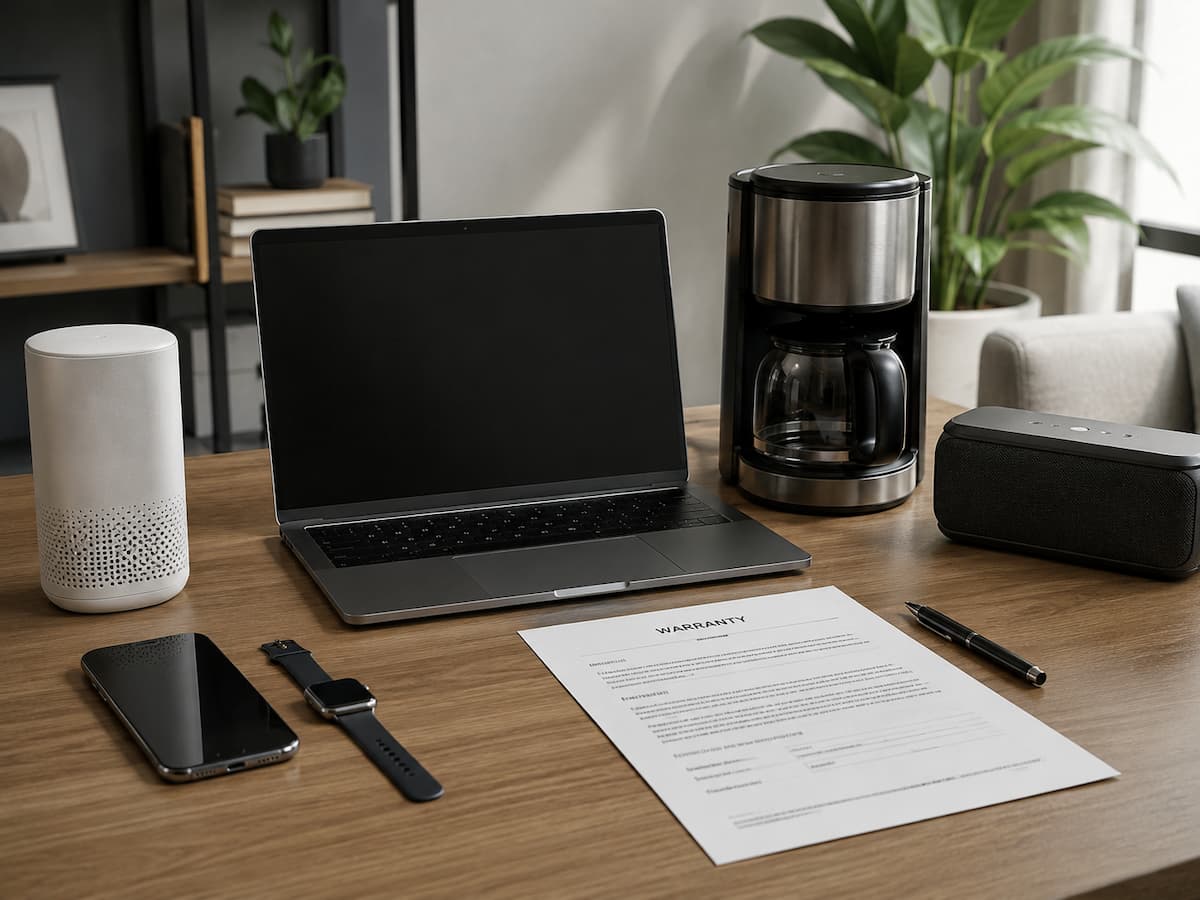
A Warranty Is a Conditional Commitment
The simplest way to understand a product warranty is to view it as a limited commitment, not as insurance. The company promises to provide specific solutions under certain conditions. These solutions may include repair, replacement, refund, replacement parts, or other solutions described in the warranty terms. The warranty period indicates how long the warranty typically lasts, but the length of the warranty period alone does not determine the scope of the warranty. A two-year warranty does not mean that you will repair every problem that occurs within those two years for free. Even if the product is still under warranty, circumstances outside the warranty can still damage it. This is especially important for starters, as advertisements often emphasize the warranty period, whereas the actual terms determine the scope of the warranty. When evaluating a warranty, carefully read through the sections on warranty coverage, exclusions, required maintenance, claim procedures, and available solutions, rather than focusing solely on the month or year stated on the packaging.
Manufacturing defects are usually the main reason a warranty exists.
Most ordinary product warranties are designed primarily for defects related to the product’s materials, workmanship, or manufacturing. Imagine a new refrigerator whose compressor fails unusually early despite normal installation and use. Or consider a laptop that develops a hardware fault even though it has been handled according to the manufacturer’s instructions. Problems like these are closer to what a conventional product warranty is intended to address. The exact language differs from one warranty to another, so you should not assume every defect automatically qualifies. Some warranties describe specific components, conditions, or remedies. Others may have different coverage periods for different parts. The practical question is not simply “Did the product break?” but “Why did it break, and does the warranty treat that type of failure as covered?” If you believe the failure is a manufacturing problem, preserve the purchase documentation, describe the symptoms accurately, and avoid altering or repairing the product before contacting the manufacturer unless the warranty instructions specifically tell you to do so.
Damage From Accidents Is Often a Different Matter
A product can fail for many reasons that have nothing to do with a manufacturing defect. A phone may be dropped. A television may be struck while furniture is being moved. Liquid damage may occur to a laptop if a drink is spilled nearby. A power tool may be damaged because it was used for a task outside its intended purpose. Standard warranties commonly distinguish these situations from defects that existed in the product itself. This is why a warranty and an accidental-damage protection plan should not be treated as interchangeable. Some manufacturers sell separate protection plans that specifically address drops, spills, or other accidental events, but those plans have their terms and limitations. If an item stops working after an accident, be honest about what happened when making a claim. Misrepresenting the cause of damage can create a much bigger problem than simply learning that the original warranty does not cover it.
Wear and Tear Can Become a Gray Area
Products change through ordinary use. Batteries lose capacity, mechanical components can wear down, surfaces can develop cosmetic marks, and parts designed to be consumed or replaced eventually need attention. A warranty may exclude ordinary wear because the gradual change is considered a normal consequence of using the product rather than evidence that it was defective when manufactured. The tricky part is that a worn component can sometimes fail unusually early, making it reasonable to ask whether the problem is ordinary deterioration or a covered defect. The answer depends on the warranty language and the circumstances. A useful approach is to document the condition of the product and its maintenance history. If a component fails much earlier than expected, please explain when you purchased it, how it was used, and what symptoms appeared. Avoid diagnosing the technical cause yourself unless you have the expertise to do so. Clear evidence is usually more useful than a confident but unsupported explanation.
Read the Exclusions Before You Need the Warranty
The exclusions section is often the part people skip when purchasing a product, yet it can be just as important as the coverage statement. Common exclusions can include accidental damage, misuse, improper installation, unauthorized modifications, repairs performed by unauthorized providers, cosmetic damage that does not affect function, consumable components, and damage caused by external events. Some warranties also contain requirements concerning maintenance or use. For example, a manufacturer may expect a product to be installed according to specified instructions. An exclusion does not necessarily mean the manufacturer can refuse every claim involving that circumstance; the actual wording and applicable consumer-protection law matter. This situation is one reason warranty disputes should not be judged solely from a salesperson’s verbal explanation. Keep the warranty document or a copy of the applicable terms and read the version that applied when you purchased the product. If the terms are unclear, ask the manufacturer to explain the specific clause relevant to your situation.
The Warranty Period Is Not Always the Whole Story
People often remember the headline warranty period and forget that different parts of the same product may have different coverage conditions. A manufacturer may offer one period for the complete product and a different period for a particular component. Some warranties begin on the purchase date, while others may use another starting point described in the terms. Registration requirements can also vary. In some cases, registration may be useful for support or product records without being the sole basis for warranty rights; in others, the terms may impose specific procedural requirements. Never assume that a warranty card, registration page, or receipt has exactly the same legal significance for every product. Keep the original receipt, order confirmation, serial number, and warranty documentation together. If you buy through a retailer, save the retailer’s information as well. These records can make it much easier to establish when and where you purchased the product if you later need service.
What Happens When You Make a Warranty Claim
A warranty claim is usually easier when you approach it as a documentation problem rather than an argument. Start by identifying the exact product and describing the failure in plain language. Note when the problem began, what you were doing, and whether it is constant or intermittent. Take photographs or short videos when they can demonstrate the problem without damaging the product. Gather proof of purchase and locate the applicable warranty terms. Then follow the manufacturer’s stated claim procedure. Some companies ask customers to contact support first, while others direct them to an authorized service center or retailer. Do not send the product somewhere unofficial simply because a third party offers a quick repair. An unauthorized repair or modification can affect warranty coverage depending on the applicable terms. If the company denies a claim, ask for the reason in writing and request the specific warranty provision on which the decision is based. That gives you something concrete to review instead of trying to resolve a vague disagreement.
Warranty, Return Policy, and Insurance Are Not the Same Thing
Several forms of consumer protection can appear similar even though they serve different purposes. A return policy generally concerns whether you can return a product within a particular period under the seller’s stated conditions. A warranty covers specified problems and remedies during the warranty period. Insurance or an accidental-damage protection plan can address risks that an ordinary warranty excludes, depending on its terms. These protections can overlap in some situations, but one should not automatically be treated as a substitute for another. Consider a new camera that develops a manufacturing defect: a warranty may be relevant. If the camera is dropped and the lens breaks, accidental-damage coverage may be more relevant if you purchased it. If you decide shortly after purchase that the camera is not right for you, the retailer’s return policy may matter instead. Understanding which protection applies prevents wasted time and helps you contact the right party first.
Small Details That Can Affect a Warranty Claim
Sometimes, a misunderstanding of the claim process—not the product itself—causes warranty problems. Losing the receipt can make it harder to establish purchase information, although alternative records may sometimes help. Installing a product incorrectly can create a dispute over whether the resulting damage is covered. Throwing away packaging may not always matter, but some retailers or service programs can have separate return procedures. Continuing to use a product after a serious fault appears can also make the damage worse. A sensible habit is to stop using an item when continued operation could reasonably cause further damage or create a safety concern. Keep records of service conversations, reference numbers, inspection reports, and emails. If the product is returned for repair, retain shipping or handover documentation. These details are boring until a claim becomes complicated; then they become useful evidence.
When a Warranty Claim Is Denied
A denied claim does not automatically mean the company is correct, but it also does not automatically mean the company is acting unfairly. First determine why the claim was rejected. The reason might be an exclusion, expired coverage, insufficient proof of purchase, evidence of accidental damage, or a disagreement about the cause of failure. Read the relevant warranty clause rather than relying on a general statement such as “physical damage is not covered.” If the explanation seems inconsistent with the written terms, ask the company to review the decision and illustrate its reasoning. Depending on your country and the type of purchase, consumer-protection laws may provide rights that exist separately from a manufacturer’s voluntary warranty. Those legal rights can differ substantially by jurisdiction, so do not assume that a warranty document is the complete statement of your rights. If the amount involved is significant, a local consumer-protection agency or qualified legal professional may be able to explain the rules that apply to your purchase.
How to Make Warranties Easier to Use
The best time to understand warranty conditions is before the product breaks down. When purchasing expensive items, always keep the receipt and the warranty conditions. Note down the model number and serial number in a safe place. Follow the manufacturer’s maintenance instructions and keep relevant repair records. Document the situation in the event of a defect before attempting any repairs. The most important thing is to distinguish between facts and assumptions: “The device switched off automatically after ten minutes” is useful information, whereas “the motherboard is defective” may be mere speculation. A clear description enables helpdesk staff to determine what they can actually investigate. Using the warranty is much easier if you know what is covered, what is excluded, and what evidence you need to prove your problem is covered.
Conclusion
Once you stop viewing product warranties as a general promise, they become clear. The truly useful questions should be more specific: What kind of defect has occurred? What caused the defect? When did the defect occur? What is excluded from the warranty? What solutions does the company actually promise? These questions can help you distinguish between manufacturing defects, accidental damage, and normal wear and tear. They also make warranty communication with manufacturers and retailers more efficient. When purchasing a product, read the terms and conditions carefully, keep proof of purchase, follow the maintenance instructions, and document any issues before sending the product in for repair. It is much more valuable to take the time to understand the terms than to discover a problem only after an expensive product has broken down.
FAQs
1. Is damage caused by accidental damage covered by the warranty?
Generally, standard manufacturer warranties focus on product defects and do not cover damage caused by accidental damage. Drops, spilled liquids, impacts, and similar incidents may require separate insurance against accidental damage. Always consult the specific terms and conditions for your product.
2. Are repairs by others covered by the warranty?
The answer depends on the warranty terms and the specific circumstances. Repairs or modifications performed by an unauthorized repairer may not be covered by the warranty, especially if the repair or modification relates to the claimed fault. Read the manufacturer’s terms and conditions before engaging an independent repairer.
3. Which documents should I keep after purchasing a product?
Keep your proof of purchase or order confirmation, warranty documents, product model and serial number, and all relevant maintenance or repair records. For expensive products, keeping digital copies can prevent problems caused by the loss of original documents.
4. What if the warranty has expired?
The voluntary manufacturer’s warranty may no longer apply, but this does not necessarily answer all your questions about your rights. Depending on where you purchased the product, consumer protection laws, store policies, service agreements, or other warranties may apply.
5. Should I repair the defective product myself before submitting a warranty claim?
Generally, it is safer to review the warranty terms and contact the manufacturer or an authorized service provider. Opening or modifying the product may affect coverage under some warranty conditions, and performing repairs yourself may make it more difficult to determine the cause of the malfunction.
