
A dispute regarding a digital payment involves more than just a financial discussion. It concerns the process of requesting a bank, card issuer, payment app, transfer service, or other service provider to verify the transaction and clarify the situation. Specific regulations depend on the payment method and the country/region. This guide describes what information you need to gather, how to formulate the issue concisely and clearly, what supporting documents may be useful, common mistakes to avoid, and what steps to take if the initial procedure does not resolve the issue. The goal is clear: to help you handle payment disputes through systematic documentation rather than speculation.
What Is a Digital Payment Dispute?
A digital payment dispute arises when you believe there is an error in a transaction and request that the relevant entity verify the payment. Problems may relate to unlawful transactions, incorrect amounts, double debits, unprocessed payments, or other forms of transaction errors. The entity responsible for assessing disputes can be a financial institution, credit card company, payment application, transfer service provider, or store.
It is important to note that different payment methods have different dispute resolution procedures. The handling of discrepancies in credit card statements differs from that of unlawful debit card payments or payments between private individuals. Certain consumer protection measures depend on local legislation, account agreements, and the timeliness with which consumers report problems.
Important: Do not assume that every digital payment can simply be reversed. A successful payment, an unauthorized payment, and a merchant disagreement can involve very different procedures.
Common Types of Digital Payment Disputes
Knowing what kind of problem you have can make the next step much clearer. Start by comparing the transaction shown in your account with what you expected to happen.
| Problem | Example | Useful evidence |
|---|---|---|
| Unauthorized transaction | You do not recognize or authorize this payment. | Statement, transaction alert, account history, fraud report |
| Duplicate charge | The same purchase appears twice. | Statement, receipts, order confirmation |
| Wrong amount | You were charged more than the agreed amount. | Receipt, invoice, checkout record |
| Payment not received | Money was sent but the recipient says it never arrived. | Transfer confirmation, recipient details, transaction ID |
| Merchant dispute | A paid product or service was not delivered as agreed. | Order details, messages, delivery records |
| Processing problem | A payment remains pending or was processed incorrectly. | Payment status, timestamps, account history |
The most important distinction is between a payment you authorized and one you did not. Be precise when describing this. Saying “I don’t like this charge” is very different from saying “I did not authorize this transaction.” The provider needs accurate information to investigate the correct issue.
What to Do Before Opening a Dispute
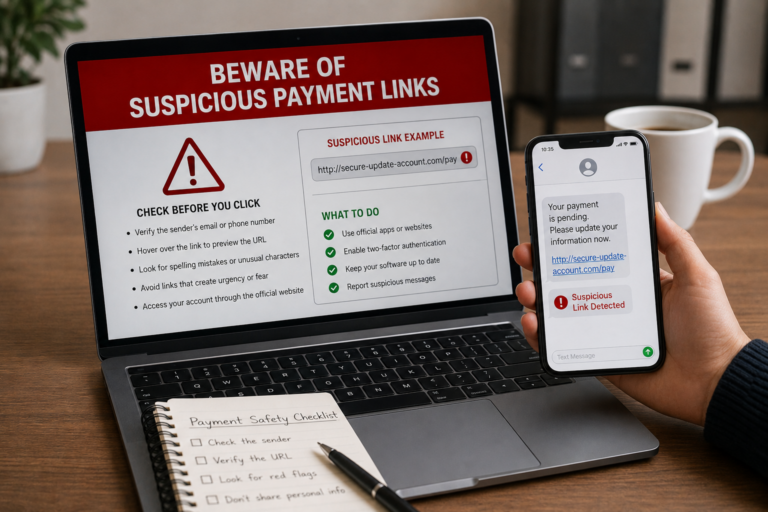
Before submitting a formal dispute, check whether a normal transaction process can explain the problem. A merchant name on a statement may look unfamiliar because some businesses use a different billing name. A pending transaction may later change or disappear. A family member or authorized user may have made a purchase. A payment may also appear under a payment processor rather than the name of the seller.
Check the receipt, email confirmation, order history, bank statement, and payment app history. If the issue involves a merchant, contact them when appropriate and keep a record of the response. This does not mean you should delay reporting an unauthorized transaction. If you genuinely believe someone has used your account without permission, please notify the relevant financial institution or payment provider promptly.
Build a simple transaction timeline
Write down what happened in chronological order. For example: “June 4: placed order. June 4: received confirmation. June 6: account charged. June 12: contacted merchant. June 14: merchant said refund was issued. June 20: refund still missing.” A timeline can turn a confusing story into a sequence that a support representative can understand quickly.
Information You May Need
A strong dispute usually starts with basic transaction details. You do not need to send every piece of information you possess. Instead, provide the information that helps the company identify the transaction and understand exactly what went wrong.
- Your name and the account or card involved, using only the information requested through the provider’s secure process.
- The transaction date and amount.
- The merchant, recipient, or payment provider name.
- The transaction or reference number, if available.
- A brief description of the problem.
- The date you first noticed the issue.
- Relevant receipts, invoices, confirmations, or screenshots.
- Details of any contact you already had with the merchant or provider.
- The outcome you are requesting, such as correction, investigation, or refund where applicable.
Never post full card numbers, passwords, one-time codes, PINs, or sensitive account credentials on social media, public forums, or review sites. Use the provider’s official secure support channel.
Evidence That Can Strengthen Your Case
Evidence does not have to be complicated. The best evidence is usually ordinary information that clearly connects your claim to the transaction. A receipt can show the amount you agreed to pay. An order confirmation can show what you purchased. A delivery record can show whether something arrived. A message from a merchant can show that a refund was promised.
| Evidence | What it can establish |
|---|---|
| Receipt or invoice | Purchase amount and date |
| Account statement | How the transaction appeared on the account |
| Order confirmation | Product, service, price, and order details |
| Emails or messages | Communication with the merchant or recipient |
| Tracking information | Delivery or shipment status |
| Screenshots | Payment status or information that may later change |
Keep original files when possible rather than editing screenshots to highlight information. If you need to mark something for clarity, please keep the untouched version as well. Also make sure screenshots include enough surrounding information to show what they represent, while hiding unnecessary personal information.
Evidence is more useful when it answers a question
Ask yourself what the reviewer needs to verify. If the dispute is about a duplicate charge, show the two transactions. If the dispute is about a missing refund, show the original charge and the merchant’s refund confirmation. If the transaction is unauthorized, please provide the transaction details and clarify why you did not authorize it.
Why the Payment Method Matters
One of the biggest mistakes people make is treating all digital payments as if they have the same protections. They do not. A credit card purchase, debit-card transaction, bank transfer, direct account debit, digital wallet payment, and international money transfer can follow different rules and procedures.
For example, U.S. Regulation E contains error-resolution rules for certain electronic fund transfers, including unauthorized transfers and certain incorrect transfers. Credit-card billing disputes are generally handled under a different framework. International remittance transfers can also have specific error-resolution requirements. The exact protections depend on the transaction and applicable law. This is why the first question in a dispute should often be: “How exactly did I pay?” Knowing the payment method helps you find the correct dispute channel instead of sending the complaint to the wrong company.
| Payment method | Possible first contact | Important consideration |
|---|---|---|
| Credit card | Card issuer | Billing-error and card dispute rules may apply |
| Debit card | Bank or card issuer | Unauthorized-transfer rules may be relevant |
| Payment app | App provider and sometimes linked financial institution | Review the app’s dispute process and the funding source |
| Bank transfer | Sending bank or transfer provider | Transfers may be difficult to reverse after completion |
| International remittance | Transfer provider | Special rules may apply depending on the transfer |
How to Write a Clear Dispute
A simple structure
- Identify the transaction.
- Explain what you expected to happen.
- Explain what actually happened.
- State why you believe there is an error or problem.
- Mention the evidence you have attached.
- State what resolution you are requesting.
For example: “On July 8, my account was charged $120 by ABC Store for order 4582. The order confirmation shows one item priced at $120, but my account shows two separate $120 charges on the same date. I contacted the merchant on July 10 and was told the second charge would be corrected. It remains on my account. I have attached the receipt, order confirmation, statement, and the merchant’s response.” This approach is much stronger than writing, “You charged me twice and I want my money back immediately.” The first version provides the reviewer specific facts that can be checked.
Common Dispute Mistakes to Avoid
Many payment disputes become harder because the customer accidentally provides incomplete or contradictory information. One common mistake is waiting too long. Some dispute systems and consumer-protection rules have deadlines. For example, certain U.S. credit-card billing-error procedures require written notice within 60 days after the statement containing the error was sent.
Another mistake is disputing the wrong transaction. Carefully compare the transaction date, amount, merchant name, and reference number before submitting anything. Do not claim that a transaction was unauthorized just because you forgot that you made it. First check whether another authorized user made it or whether the merchant uses a different billing name.
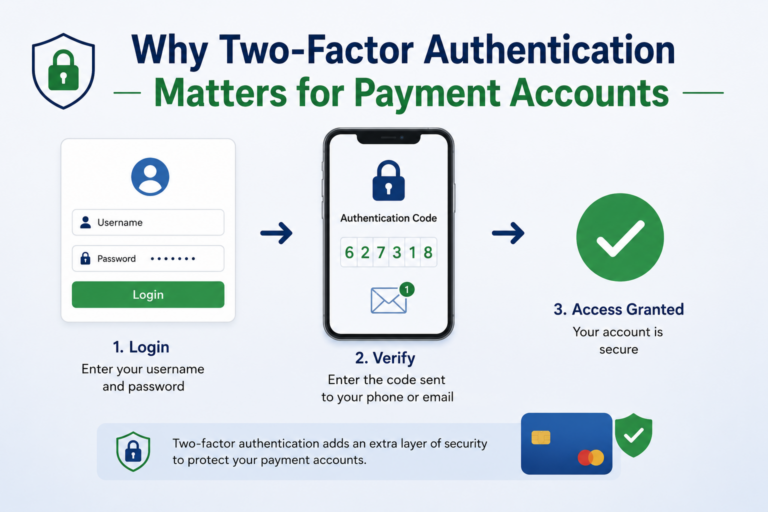
Also avoid sending sensitive information through insecure channels. A legitimate support process should tell you what information it needs and where to submit it. Scammers sometimes impersonate banks or payment services and ask customers for passwords, verification codes, or other credentials. The FTC recommends using official contact channels and protecting payment accounts with security features such as multi-factor authentication or a PIN.
Unauthorized Payments and Possible Scams
An unauthorized payment deserves quick attention. If you see a transaction you did not make or approve, contact the relevant financial institution or payment provider through an official channel. Do not wait for a stranger who claims to be “customer support” to help you. If you receive an unexpected message about a payment problem, independently locate the company’s official website or app rather than using a phone number or link supplied by the message.
Payment-app scams deserve particular care because they can trick a person into authorizing a payment themselves. For example, a scammer might impersonate a family member, seller, employer, or support representative and persuade the victim to send money. The fact that the victim pressed the payment button does not necessarily make the situation simple, but it can make recovery more difficult. The FTC advises consumers to verify unexpected requests and double-check recipient information before sending money.
Act quickly, but stay organized
If you believe fraud occurred, secure the affected account, contact the appropriate provider, preserve relevant messages and transaction records, and follow the provider’s instructions. Do not delete evidence just because it contains an embarrassing conversation or suspicious message. It may help explain how the transaction occurred.
Be especially careful of “recovery” scams. Someone may contact you claiming they can recover your lost money for an upfront fee. The FTC warns that these scams often target people who have already lost money.
How to Follow Up When a Dispute Is Denied
A denied dispute does not mean the conversation is over, but the next step depends on the reason for the decision. Read the provider’s response carefully. It may explain that the transaction was considered authorized, that the evidence did not establish an error, that the dispute was submitted too late, or that the particular type of transaction is handled through another process.
Please compare that explanation with your records. If you have new evidence, please submit it through the provider’s designated process. Keep the original case number and note the dates of every contact. If the provider has a formal appeal, reconsideration, complaint, or escalation process, follow that process rather than opening multiple unrelated cases.
In the United States, consumers dealing with certain financial products and services can also submit complaints to the Consumer Financial Protection Bureau after attempting to resolve the issue with the company. The CFPB explains that it generally sends complaints to the company for a response, although the appropriate regulator can vary by situation. An escalation is most effective when it adds clarity or evidence. Repeating the same statement several times without addressing the provider’s reason for denial usually does not strengthen a case.
How to Keep Better Payment Records
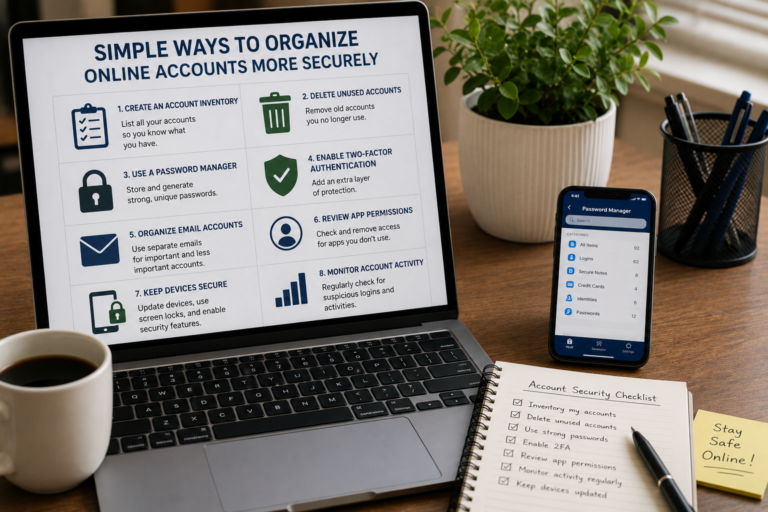
Good recordkeeping makes disputes much easier because you are not trying to reconstruct events weeks later. For significant purchases, keep the receipt, confirmation email, invoice, and relevant delivery information until you are confident the transaction is complete and there is no remaining issue. You can create a simple folder for important digital payments. Use descriptive file names such as “2026-07-08-ABC-Store-Receipt” rather than “screenshot1.” For recurring bills, review statements regularly so that unusual transactions are discovered early.
Do not keep unnecessary sensitive information in ordinary folders. If a document contains a complete card number or other highly sensitive data that you do not need, consider whether you can safely store a redacted copy instead. Your records should help you resolve a dispute without creating a new privacy or security problem.
A useful habit for larger transactions
Save the transaction confirmation immediately after payment. If the payment involves a service, also save the terms, cancellation policy, delivery promise, or other information that explains what you purchased. These records can become difficult to locate later if a website changes its content or an email is deleted.
A Practical Digital Payment Dispute Checklist
Before submitting a dispute, review the following checklist. You do not necessarily need every item for every case, but the checklist can help you identify missing information.
- Please confirm the exact transaction date.
- Confirm the exact amount.
- Identify the payment method.
- Identify the transaction or reference number.
- Find out whether the transaction is pending, completed, reversed, or refunded.
- Determine whether you authorized the payment.
- Contact the merchant when appropriate.
- Save receipts, statements, confirmations, and relevant messages.
- Write a short timeline of what happened.
- Review the provider’s deadline and dispute instructions.
- Submit information through an official secure channel.
- Please save the dispute case number and submission confirmation.
- Record the dates and results of follow-up contacts.
The checklist is deliberately simple. The purpose is not to create paperwork for its own sake. It is to make sure your complaint contains enough information for another person to understand the transaction without repeatedly asking you for basic details.
Conclusion
The most effective approach is actually very simple: keep payment records safe before they are needed. Receipts, confirmations, invoices, reference numbers, and shorter time periods make complex situations easier to explain. More importantly, protect this data and never send sensitive information via unverified customer service channels.
Rules vary by country and payment method, so consider general advice as a guideline, not a guarantee of a specific outcome. If money is involved, follow the instructions of your bank, card issuer, payment service provider, or relevant consumer protection organization. A well-thought-out, timely, and well-documented dispute resolution plan will give you more clarity regarding the outcome of your investigation.
FAQs
1. What is the difference between a payment dispute and a refund request?
A refund request is typically submitted by the seller or service provider requesting a refund. Payment disputes refer to the process whereby financial institutions, card issuers, payment service providers, or other payment providers review transactions according to their dispute resolution procedures. You should always first try to resolve issues directly with the seller, but in the case of unauthorized transactions and serious fraud, you must report them immediately to the relevant financial institution or provider.
2. Can erroneous payments be contested?
Maybe. However, there is no uniform rule determining whether erroneous payments can be reversed. The outcome depends on the payment method, whether the transaction was completed, the provider’s guidelines, and applicable legislation. If you discover an error, contact your payment provider immediately. Provide the transaction number, the amount, the date, and the recipient’s details. Do not assume that a completed bank transfer or personal transfer can be canceled simply because you entered incorrect details.
3. Can screenshots serve as evidence in legitimate payment disputes?
Screenshots can help you in your defense, but a screenshot alone is not sufficient to prove your claim. Its value lies in the information it contains and whether you can link it to the transaction. Useful screenshots may contain payment status, order confirmations, refund information, or transaction reference numbers. Do not alter the evidence in any way that could obscure the information. Keep the original version. The vendor may request additional documentation.
4. How long must I retain payment details?
There is no uniform retention period that applies to all transactions. In any case, retain important documents for returns, refunds, billing, or dispute resolution. A longer retention period may be required for recurring payments, subscriptions, warranties, taxes, or major purchases. The most important thing is to set a deadline for deleting data. Electronic invoices/confirmations must be stored securely and never placed in public folders where others can easily access them.
5. What if the seller says I have received a refund, but I cannot see it?
If possible, ask the seller for the refund amount, the date of the refund, and the refund reference number or confirmation letter. Check your payment account and billing details to confirm the refund. Sometimes the refund amount may differ from the original transaction overview. If you still cannot see the refund, contact the relevant payment service provider and let them know that the seller has issued a refund. Include the seller’s confirmation letter.