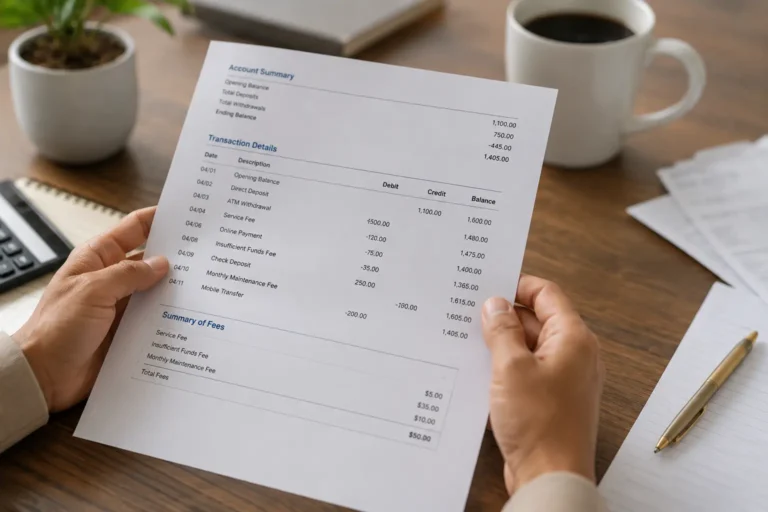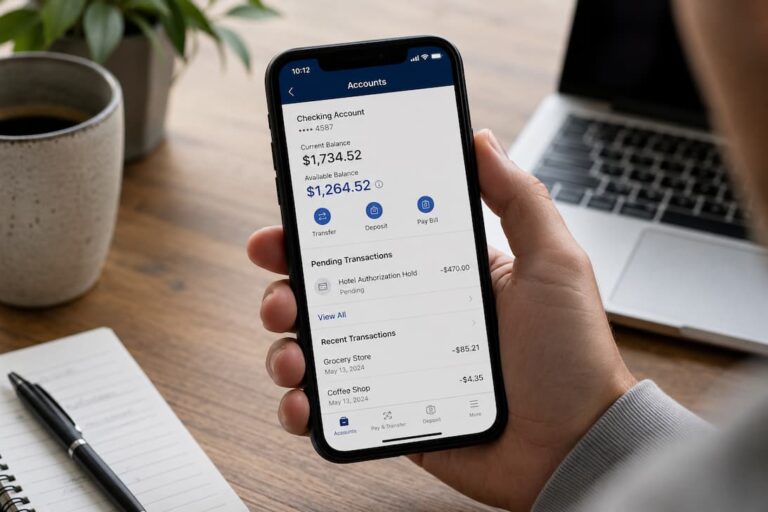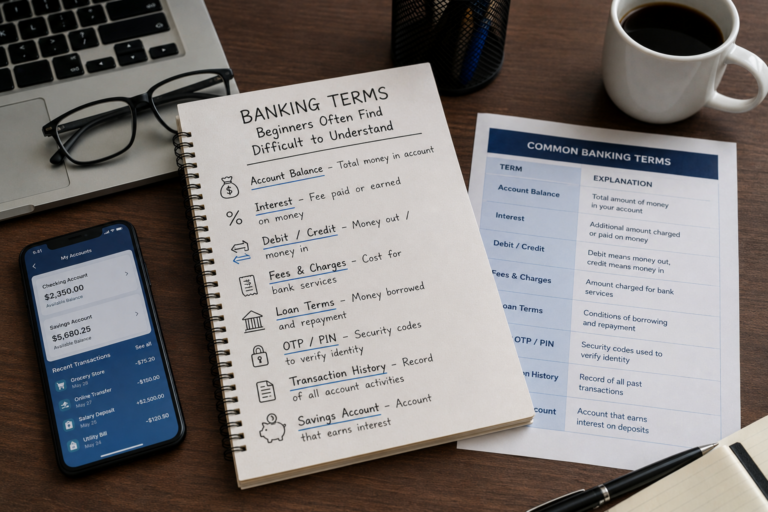
After grocery shopping, you check your banking app and see that your payment is still pending. Later that day, you book a hotel room, and it appears that money has disappeared from your account twice: first as a potential debit and then as an actual payment. Clearly, something is not right. In fact, modern banking relies heavily on pending transactions. Financial institutions, payment networks, and retailers confirm and process millions of transactions daily. These transactions usually process automatically, so the account holder does not have to do anything.
That being said, you do not have to ignore all pending transactions. While most are normal, some may take longer than expected or indicate a billing error that requires further investigation. Understanding these differences can prevent unnecessary stress and enable you to respond appropriately to any discrepancies. This article explains the process after payment, how long pending transactions typically take, and when you should notify your bank or the retailer.
A Pending Transaction Is More Than a “Payment in Progress”
Many people think a pending transaction simply means the bank is taking its time. The process is actually more involved. When you tap your debit card at a supermarket or complete an online purchase, the payment doesn’t immediately move from your account into the merchant’s account. Instead, several systems communicate with one another to confirm that the transaction is legitimate and that sufficient funds are available.
Once those checks are completed, your bank temporarily reserves the money. This reservation appears as a pending transaction. At this stage, the payment has been authorized but not fully completed. The merchant still needs to submit the transaction for settlement before the money officially changes hands. You can think of it like reserving a table at a restaurant. The table has been set aside for you, but your meal hasn’t started yet. In much the same way, the funds are no longer freely available for spending, even though the transaction hasn’t been finalized.
What Happens After You Make a Payment?
Although the entire process often takes only seconds from your perspective, several steps take place in the background. First, the merchant sends a payment request through its payment processor. That request travels across the payment network to your bank. Your bank checks several details almost instantly. It verifies that your card is active, confirms there is enough money available, looks for signs of suspicious activity, and determines whether the transaction meets its security requirements.
If everything checks out, the bank authorizes the payment. Authorization, however, isn’t the same as completion. The merchant receives approval to proceed with the sale, while your bank places a temporary hold on the required amount. Later—sometimes hours later and sometimes after several days—the merchant submits the transaction for final settlement. Only then does the pending status disappear and the payment become a completed transaction on your account. Because this process involves multiple organizations rather than just your bank, delays can occasionally happen even when nothing is actually wrong.
Why Banks Don’t Finalize Every Payment Immediately
At first glance, it seems logical for you to complete every payment the moment you make it. In practice, immediate settlement isn’t always possible. Banks and merchants need time to verify information, prevent duplicate charges, reduce fraud, and ensure that transactions are accurate before funds are permanently transferred.
Imagine paying for dinner at a busy restaurant. Your card is approved when the bill arrives, but if you later add a tip, the restaurant needs to update the final amount before completing the payment. Hotels provide another clear example. They often authorize an amount larger than your expected bill to cover possible additional expenses, such as room service or incidental charges. Once you check out, the final amount replaces the temporary authorization.
Online shopping follows a similar pattern. A retailer may authorize your payment immediately but wait until the item is packaged or shipped before capturing the funds. These temporary delays help businesses process payments more accurately while reducing the need for corrections later.
Some Purchases Naturally Stay Pending Longer
Not every purchase follows the same timeline. Buying a coffee from a neighborhood café may result in a completed transaction within a day. Booking a rental car or reserving a hotel room can leave a pending authorization on your account for several days because the final cost isn’t yet known.
Fuel stations are another common example. Some stations temporarily authorize a fixed amount before allowing you to fill your vehicle. Once fueling is complete, the actual purchase amount replaces the initial authorization. Online retailers can also have longer pending periods, especially when they back-order products or ship them from different warehouses. Rather than collecting payment immediately, some businesses wait until the order is ready to leave the warehouse before finalizing the charge.
Subscription services sometimes authorize a small amount as part of verifying that your payment method is valid. This temporary charge usually disappears automatically after the verification process is complete. Understanding these situations helps explain why pending transactions can vary so much in duration without indicating a problem.
Why Your Available Balance Changes Before the Payment Is Complete
One of the most confusing aspects of pending transactions is that your available balance often decreases immediately, even though the payment hasn’t officially posted. This happens because the bank has already reserved those funds for the approved purchase. Suppose your account contains $800 and you buy a laptop accessory for $120.
Your account may still display a current balance of $800 for a short period, but your available balance will likely fall to $680 because the bank assumes the transaction will soon be finalized. This system protects both the customer and the merchant. Without reserving the money, you could unknowingly spend the same funds twice before the original purchase settles. Although this temporary difference can seem confusing, it’s one of the safeguards that keeps electronic payments functioning smoothly.
Why Processing Times Differ Between Banks and Merchants
Many people expect every bank to process transactions at the same speed, but processing times depend on several independent factors. Your bank has its internal procedures for reviewing and updating transactions. The merchant also decides when to submit authorized payments for settlement. Payment processors and card networks add another layer to the process, especially during weekends, holidays, or periods of unusually high transaction volume.
International purchases may require additional verification steps, and currency conversion can introduce further delays before the payment is finalized. Because multiple organizations are involved, two purchases made only minutes apart can appear on your account at very different times. One may post the same evening, while another remains pending for several days. Knowing these details helps avoid unnecessary concern when transactions don’t all follow the same schedule.
How Long Should a Pending Transaction Last?
There’s no single timeline that applies to every pending transaction. The amount of time depends on the type of purchase, the merchant’s payment process, and the bank’s internal procedures. For everyday purchases at supermarkets, convenience stores, or local retailers, pending transactions often become completed payments within one or two business days. Online purchases may take a little longer, especially if the merchant waits to collect payment until after packing or dispatching the item.
Some industries routinely hold transactions for longer because they do not know the final amount immediately. Hotels, car rental companies, and certain travel businesses often authorize an estimated amount first and then adjust it later when they complete the service.
Weekends and public holidays can also influence processing times. Even though card payments are authorized instantly, settlement between financial institutions may not happen until the next business day. Seeing a transaction remain pending for several days isn’t automatically a sign that something is wrong. What’s more important is whether the delay matches the type of purchase you made.
Why Some Pending Transactions Take Longer Than Expected
When a transaction remains pending longer than you anticipated, the merchant often causes the delay rather than the bank. After receiving authorization, the merchant still needs to submit the payment for settlement. Some businesses complete this process several times a day, while others process transactions in batches at specific times.
Small independent retailers may have different procedures from large national chains. Likewise, an online business that ships products only on weekdays may not finalize your payment until the order is ready to leave its warehouse. Technical difficulties can also slow things down. A temporary interruption between payment processors, banking systems, or card networks may delay settlement without affecting the security of your funds. Even when these delays occur, the original authorization usually stays in place until the transaction completes or expires.
Temporary Authorization Holds Can Be Confusing
One of the most misunderstood types of pending transaction is the authorization hold. Unlike a standard purchase, an authorization hold temporarily reserves money without immediately determining the final payment amount.
Hotels are perhaps the best-known example. When you check in, the hotel may place a hold that’s higher than the room rate to account for possible additional expenses during your stay. Until you check out, that amount may reduce your available balance even though it hasn’t actually been charged.
Car rental companies follow a similar approach. Since the final cost may depend on fuel, mileage, or the return time, they often reserve funds before releasing the vehicle. Fuel stations may also authorize a fixed amount before you begin filling your tank. Once fueling is complete, the temporary authorization is replaced by the actual purchase amount. These holds are designed to protect both the business and the customer. Although they can temporarily limit your available funds, they usually disappear automatically after the final transaction is processed.
Why You Might See What Looks Like a Duplicate Charge
Few situations cause more concern than seeing two identical transactions for the same purchase. Fortunately, this doesn’t always mean you’ve been charged twice. A common scenario is seeing one transaction marked as pending while another appears as completed. Often, the completed payment is the final version of the original authorization, and the pending entry will disappear once the banking system updates.
Restaurants sometimes create this situation when the final payment includes a tip that wasn’t part of the initial authorization. Online retailers may also authorize your card first and then process the completed payment when they ship the order. Instead of assuming you’ve been billed twice immediately, it’s often worth waiting until the pending authorization either clears or disappears. When both transactions still show as completed charges after several business days, it makes sense to investigate further.
When a Pending Transaction Deserves Your Attention
Although most pending transactions resolve without any action, there are situations where they shouldn’t simply be ignored. One example is noticing a pending charge from a company you’ve never dealt with. Even if the amount is relatively small, it deserves closer attention because unauthorized transactions often begin with low-value payments.
Another warning sign is a pending transaction that remains unchanged for far longer than similar purchases you’ve made in the past. While processing times vary, unusually long delays may indicate that the merchant hasn’t completed settlement or that an issue has occurred during processing.
You should also pay attention if a pending transaction prevents you from accessing money you need for essential expenses. Temporary holds on hotels or rental vehicles can sometimes reserve hundreds of dollars, reducing your available balance until the authorization expires. These situations don’t necessarily indicate fraud, but they may justify contacting the merchant or your bank for clarification.
Don’t Rush to Dispute Every Pending Transaction
It’s understandable to feel anxious when money appears to leave your account unexpectedly. However, filing a dispute too early can actually complicate matters. Banks generally expect customers to allow enough time for normal payment processing before beginning a formal investigation.
If the transaction relates to a purchase you recognize and it only became pending recently, waiting a short period is often the most practical approach. During that time, many pending authorizations either complete as transactions or disappear automatically if you no longer need them.
On the other hand, if you don’t recognize the merchant, never made the purchase, or suspect your card details have been compromised, contacting your bank promptly is the safer course of action. Reporting suspicious activity early allows the bank to review your account and recommend appropriate next steps. The key is understanding the difference between a routine processing delay and activity that genuinely appears unusual.
What You Can Do While a Transaction Is Pending
A pending transaction doesn’t usually require immediate action, but it is worth monitoring. Start by checking the merchant name, purchase amount, and transaction date to confirm they match your records. If you’ve recently made several similar purchases, comparing receipts or order confirmations can help identify which payment the pending charge relates to. It’s also a good idea to check your available balance while waiting for the transaction to settle. Spending as though the pending amount isn’t reserved could leave you with less available money than expected.
If several business days pass without any change, contacting the merchant is often the quickest way to find out whether the payment has been submitted for settlement. If the merchant confirms everything has already been processed but the transaction still appears unusual, your bank can investigate further. Often, patience is all that’s required. Understanding how the payment process works makes it much easier to distinguish between ordinary banking activity and situations that genuinely deserve attention.
A Practical Way to Decide Whether to Wait or Take Action
When you notice a pending transaction, your first reaction shouldn’t be panic—it should be verification. Ask yourself a few simple questions. Did you make the purchase? Does the amount look familiar? Is the merchant’s name recognizable, even if it’s slightly different from the store where you shopped?
Many businesses process payments under their registered company name rather than the name displayed on the storefront. For example, a neighborhood café may appear on your bank statement as the company that owns multiple locations instead of the café’s trading name. A quick online search often explains the difference. If you recognize the purchase and the timing makes sense, monitoring the transaction for another day or two is usually the best approach.
If the payment is unfamiliar, the amount has changed significantly without explanation, or the transaction remains unresolved well beyond the normal processing period, it’s reasonable to investigate further. A simple decision-making process helps you avoid unnecessary worry and ensures you don’t overlook genuine issues.
When You Should Contact the Merchant First
People often assume the bank is always the best place to start, but that’s not necessarily true. If the issue relates to a purchase you made voluntarily, the merchant usually has the most up-to-date information about the payment’s status. They can confirm whether the order has been processed, explain why a temporary authorization was placed, or tell you if the payment was voided before settlement.
For instance, imagine you order furniture online. The retailer authorizes your card immediately but doesn’t charge you until the item is ready for delivery. If the payment stays pending for several days, the retailer can often explain the delay much faster than your bank. Similarly, if a hotel has forgotten to release a security hold after checkout, contacting its billing department may resolve the issue without the need for a formal banking investigation. Starting with the merchant can often save time, especially when the transaction itself is legitimate.
Situations That Warrant Calling Your Bank
There are times when contacting your bank should take priority. If you notice a pending transaction from a merchant you’ve never heard of, especially one involving online shopping or international payments, don’t assume it will disappear on its own. Your bank can determine whether the transaction is legitimate and advise whether additional security measures are necessary. You should also get in touch if you lose your debit card or if someone steals it, and unfamiliar pending transactions start appearing shortly afterward.
Another situation worth reporting is when a pending authorization remains on your account long after the merchant says it has been canceled. Although these holds often expire automatically, your bank can explain whether you should expect additional processing time or whether you need to take further action. The sooner you report unusual activity, the easier it is for your bank to investigate while transaction records are still current.
Good Habits That Help Prevent Payment Confusion
Although you can’t avoid pending transactions entirely, a few everyday habits can help you manage them much more easily. Checking your account every few days allows you to spot unfamiliar activity before it becomes a larger issue. Keeping receipts for major purchases also makes it easier to match pending transactions with recent spending.
If you’re traveling or making expensive purchases, leaving a financial buffer in your account can help prevent temporary authorization holds from affecting your everyday spending. It’s equally helpful to review completed transactions after pending charges have cleared. This confirms that the final amount matches what you expected to pay and helps you notice any discrepancies while they’re still easy to resolve. Developing these habits takes very little effort, but they can significantly reduce confusion throughout the year.
FAQs
1. Can I cancel a pending bank transaction?
That depends on the type of transaction. Some merchants can cancel pending authorizations before checkout, while others must process them or let them expire automatically.
2. Why is my available balance lower than my account balance?
Pending transactions or blocked authorizations can temporarily block funds in your account. The difference usually disappears after the transaction is completed or the funds are released.
3. Will the amount of the pending transaction change?
Yes. This usually happens when the final payment amount differs from the original authorization amount, such as a restaurant bill including a tip or a hotel stay including miscellaneous charges.
4. Should I worry if a hotel blocks a large amount?
Not necessarily. Hotels usually reserve extra funds to cover any additional costs. Unused authorization amounts are usually released after checkout, provided the final bill is correct.
5. Will pending transactions disappear?
Yes. If the seller does not complete the transaction or cancel the authorization, the pending transaction may disappear and the blocked funds become available again.
6. Do all banks process pending transactions at the same speed?
No. Processing times vary depending on the bank, merchant, payment network, and the type of purchase. This is why similar transactions can settle at different times.
Conclusion
Pending bank transactions can seem confusing at first, particularly when your available balance changes before a payment is officially completed. Once you understand how authorization, settlement, and temporary holds work, these situations become much easier to interpret.
Most pending transactions are simply part of the payment process and clear within a reasonable timeframe. The important skill isn’t trying to avoid them—it’s recognizing when they’re behaving normally and when something deserves a closer look. By checking your account regularly, keeping track of major purchases, and knowing when to contact either the merchant or your bank, you can handle pending transactions with confidence instead of uncertainty.