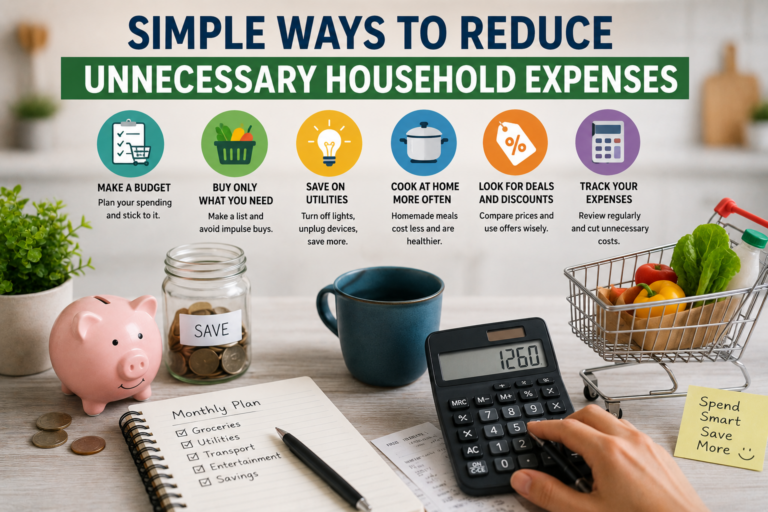

Imagine spending €14 on a takeaway meal on a busy afternoon instead of spending €5 on lunch at home. The difference of €9 seems insignificant, but if you repeat this process twice a week, it adds up to €72 over four weeks. The problem is not the single takeaway meal, but the lack of planning for busy days. Effective financial decision-making does not require absolute self-discipline. A financial system must function effectively, even when you are fatigued, distracted, or short on time. Understanding these principles offers the solution. Make important financial decisions in advance and simplify smaller decisions, rather than trying to make all decisions at once.
Make Simple Money Rules Before You Need Them
Simple financial rules are predetermined decisions that prevent the replaying of thoughts. For example, online orders of more than £50 can have a 24-hour waiting time. You can also limit the number of takeaways you order per month or check your budget before buying unexpected items. These limitations will weaken your willpower. You know your own rules, so if you are sleepy or anxious, you won’t ask yourself, “Should I buy this?” Financial decisions will become faster and more stable.
| Situation | Simple Rule | Why It Helps |
|---|---|---|
| Unplanned online purchase | Wait 24 hours | Reduces impulse buying |
| Large purchase | Compare at least two options | Encourages informed decisions |
| Takeaway food | Set a monthly limit | Keeps convenience spending visible |
| New subscription | Check existing subscriptions first | Prevents unnecessary recurring costs |
Your rules should be realistic. A rule that is too strict may be abandoned quickly. The purpose is not to remove every enjoyable purchase. It is to create boundaries around decisions that are most likely to become expensive when you are busy.
Use the Pause Rule for Unplanned Spending
Leaving a modest gap between spending and buying is a simple strategy to improve financial decisions. This is helpful for wants, not needs. A little pause lets you consider whether the item meets your needs. Cost affects pause length. A little purchase may require 10 minutes of thinking, whereas a larger one may require a day. The pause should precede payment, not after.
Consider three questions during the pause: Do I need this? Am I prepared for this cost? What will I lose by spending this money? Third questions are often missed. Impulse purchases cannot be used for bills, savings, emergency funds, or planned activities. Mistake: seeing every discount as a cause to buy. A £80 good lowered to £50 is not a savings if you never needed it. You spent £50. Buying something you require at a better price is a real save.
Predict Busy-Day Costs
Many spending issues are expected. If you know Wednesdays are full of meetings, school events, and long commutes, you can budget for the extra costs. This is usually better than resisting every last-minute expense. Consider the situations that consistently increase spending. Imagine leaving home without food and buying lunch. If you miss your bus, you may book a taxi. You may buy refreshments at a gas station during a lengthy trip. None of these expenses are improper, but expecting them makes them easier to manage.
Create a tiny “busy day” area in your monthly expenditure plan. This does not mean allowing unlimited spending. It involves accepting that convenience costs and planning accordingly. If you predict two extremely busy days each week, you may prepare easy meals, store a few shelf-stable snacks, or set aside a small amount for occasional convenience shopping. Planning reduces the sense that unexpected expenses are financial failures.
Easily Make Good Financial Decisions
People frequently focus on avoiding bad spending habits, but changing your environment can also help. If a good decision takes five steps and a bad one takes one click, the easier alternative may win when you’re fatigued. Thus, you want to eliminate friction surrounding your decisions.
Keep some quick meals at home to save on takeout. Arrange an automated transfer shortly after getting your income to save frequently. Remove payment data from frequent shops to avoid excessive internet shopping. These little adjustments preserve choice. They simply advance your option.
Depend on incentives but not solely. Create financial habits that make the smart choice easy. Preparing for peak times is another good strategy. If it happens weekly, a full program is expected. Before the week starts, prepare lunch, check transportation, and analyze bills to avoid rushed decisions.
Reduce Financial Decision Fatigue
Mental exhaustion from making multiple choices is decision fatigue. A busy day includes financial decisions, but they compete with jobs, family, errands, and other duties. By night, you may lose patience evaluating prices or reviewing expenses.
Routine choices can be automated when suitable. Regular savings transfers, bill payments, and account alerts decrease tasks to remember. Automation shouldn’t mean neglecting budgets. Check automated payments periodically to ensure accuracy and affordability.
It also helps establish typical options for repeating scenarios. You may have three quick meals to make while fatigued. A normal grocery list may work. You may select how much you can spend on convenience during a busy week. Save your brain energy for important decisions. Not every minor regular choice needs to be rethought.
Manage Convenience Spending Without Feeling Poor
Not all convenience spending is bad. Sometimes paying for delivery, a cooked meal, or faster conveyance is a good trade-off. Problems occur when convenience is the default response to every busy moment. Try using convenience spending strategically instead of eliminating it. Ask yourself if the item answers a real issue or just relieves tension. Ordering cuisine for dinner after working late may be reasonable. Ordering because you neglected to plan may be avoidable next time.
A good method is to compare cost to value. Spending £15 on a meal may save you time and effort. If you make the same buy numerous times a week without a financial strategy, it needs more Busy people sometimes overlook subscriptions, annual payments, and modest recurring costs.priorities, not control them.
Quickly Check Before Buying
Busy people may not have time to evaluate their budgets before every transaction. A brief mental checklist can prevent many bad mistakes. Before spending abruptly, consider whether the purchase is essential, affordable, planned, and worthwhile.
Ask additional questions for bigger purchases. Could I wait? Did I compare options? Are there cheaper alternatives that satisfy the same need? Will I still want it in a few days? Online shoppers benefit from these questions because they can buy in seconds. Regular spending should be simple. Stopping to analyze every £2 buy may tire the system. The purpose is to find unexpected, recurring, or pricey transactions that affect your finances.
| Question | What to Consider |
|---|---|
| Do I need it? | Is it essential or mainly a want? |
| Can I afford it? | Will the purchase affect bills or planned savings? |
| Did I plan for it? | Was the purchase included in my spending plan? |
| Can I wait? | Would waiting reduce the pressure to buy? |
| Is there a better option? | Could I meet the same need for less? |
Separate Needs, Wants, and Urgent-Looking Purchases
Busy days can turn wishes into needs. A fatigued individual may need a takeaway, whereas a rushed person may think a costly shortcut is the only alternative. Occasionally these options are required. Learning to distinguish between a real necessity and an urgent purchase is crucial. A need is something essential for life, work, safety, or a duty. Wants improve comfort or happiness but can be postponed. The third group is “urgent-looking” purchases. Time constraints make something seem vital, but it may not be.
Replacing a faulty appliance may be necessary. A premium version that’s available quickly may be a want. A costly same-day delivery option may be time-sensitive, but waiting may save money. This distinction does not evaluate spending. It just lets you select which items need immediate attention and others can wait.
Bank and Technology for Financial Support
Thoughtful use of modern banking tools can simplify busy money management. Account notifications can warn you of transactions, low balances, and odd activities. Automatic payments help avoid missed invoices. Banking apps can help you check your balance before an unexpected transaction. Technology should enhance awareness, not replace it. You can keep automatic payments once your circumstances change. Unattended subscriptions can renew. A payment notification acknowledges that money has left your account but does not indicate spending wisdom.
Select a few useful alerts. Check recurring payments and accounts on your schedule. Keep your budgeting program or spreadsheet basic enough to maintain. Don’t trust automated financial systems indefinitely. Regularly check account balances, planned transfers, and recurring payments.
Review Money Decisions Without Shame
Your financial evaluation should teach you, not shame you. Consider why you spent more than intended over a busy week. Did something unexpected happen? Did you forget prep? Was the purchasing stressful or exhausting? Was the spending reasonable given the circumstances?
A review like this turns mistakes into useful knowledge. Say you spend an extra £30 on food on late workdays. Search for patterns rather than just saying “spend less.” Freezing two fast dinners could fix the problem. Maybe making lunch the night before would help. Instead of criticizing the result, examining the source frequently yields the answer. Review your spending weekly or monthly. Try to spot trends, not transactions. One unexpected buy may not matter. Repeated patterns can indicate financial system issues.
Create a Simple Busy-Day Money System
Combining multiple little behaviors into one simple strategy works best. You need not track every penny daily. Develop a system to manage anticipated decisions before they become urgent.
First, identify your top three busy-day spending triggers. Takeout, internet shopping, transportation, and convenience services are examples. Make one rule for each. Prepare a low-effort alternative if possible. Review your results after a few weeks and alter the method as needed.
| Step | Action | Example |
|---|---|---|
| 1 | Identify the trigger | Buying takeaway after late workdays |
| 2 | Create a rule | Keep two quick meals available at home |
| 3 | Add a spending boundary | Set a realistic monthly convenience budget |
| 4 | Use a pause | Wait before non-essential online purchases |
| 5 | Review the pattern | Check spending at the end of each month |
Keep the system flexible. If your schedule changes, your financial habits may need to change too. The purpose is to create a framework that supports your real life, not an idealized routine that is impossible to maintain.
Common Mistakes That Make Busy-Day Spending Worse
Budgeting without considering convenience is a common mistake. If your plan implies you would cook every meal, never use a taxi, and never buy anything unplanned, it may fail. A sensible budget should reflect your lifestyle. Other mistakes include relying on recollection. Subscriptions, annual payments, and modest recurring costs are sometimes overlooked by busy people. Calendar reminders or account reviews can prevent surprises.
It’s all too simple to make one terrible choice and quit. Spending £40 suddenly doesn’t spoil the month. The best answer is to resume your normal routine when you can. Finally, only make important financial decisions under tremendous pressure if they cannot wait. If possible, wait to compare options and understand the repercussions before making big purchases.
Conclusion
Better money decisions don’t require perfect budgeting or constant financial thinking. Often, making fewer decisions in the present is best. Simple rules, planned alternatives, automatic reminders, spending limitations, and short breaks can save you money when you’re distracted. Recognizing your personal trends may help you the most. If hectic days contribute to pricey food, cook simpler meals. Create a waiting rule for stress-related online shopping. If you forget periodic payments, check them regularly. Every repeating financial crisis reveals system improvements.
Start with one modification instead of overhauling your finances. Choose the most difficult busy-day spending decision, establish a basic rule, and test it for a few weeks. These little changes help calm, clarify, and focus financial decisions over time.
FAQs
1. How can stress-induced impulse spending be stopped?
Determine what frequently causes spending. Stress can lead to shopping, takeout, and other quick fixes. When you recognize the pattern, pause before spending and choose alternative response, such as a brief stroll, a drink at home, or waiting until tomorrow. You need not remove all comfort purchases. Stress should not determine where your money goes.
2. The best strategy to manage modest everyday expenses?
Avoid tracking every transaction and search for patterns. Review a week or month of transactions and find categories that consistently exceed expectations. Convenience meals, snacks, transportation, and little online purchases may be the issue. After identifying the pattern, make a practical rule. Small tweaks repeated often are better than a sophisticated system you abandon.
3. How long should I wait before buying something unexpected?
There is no universal waiting period for purchases. Ten minutes may be enough to contemplate a little non-essential item. Waiting 24 hours or many days can help you evaluate a larger purchase. Give yourself more time if the purchase is expensive and difficult to undo. If the item is necessary, the wait can let you compare options.
4. Does automating payments help manage money?
Reducing the number of things to remember can help with predictable payments and regular savings. Automatic payments should be examined regularly. Check the amount, service, and payment to ensure they meet your needs. Automation works best when it minimizes mundane work without obscuring your finances.
5. How should I handle frequent overspending during hectic weeks?
Instead of cutting costs, focus on identifying the underlying issue. Determine when you overspend by reviewing your transactions. If missed meals are to blame, prepare quick food. Add a wait time for online purchases. If an uncertain schedule raises transport expenses, try rescheduling some trips. Overspending often indicates a practical issue that requires a practical solution.
Do simple money rules matter?
This is especially true when they target recurrent judgments. A good rule can help you avoid making the same mistakes, but it won’t change your finances overnight. Small measures include waiting before significant purchases, assessing subscriptions, setting realistic convenience limits, and checking your balance before unexpected spending. The best regulations are simple and achievable during busy times.
References