Understand What’s an Unexpected Expense
Not all irregular expenses are emergencies. Some costs are predictable even if not monthly. You should expect annual insurance renewals, school fees, holiday spending, vehicle maintenance, and home maintenance. Treating these expenses as emergencies can make you look financially unprepared. A true unexpected expense is frequently unplanned and above your monthly budget. Emergency plumbing or car repairs may fall into this category. Definition depends on household circumstances.
First, distinguish predictable irregular costs from real crises. Sinking reserves for anticipated expenses and an emergency reserve for unplanned issues can be created. This method keeps your emergency savings from being drained by plannable expenses.
Create an Emergency Fund Before You Need It
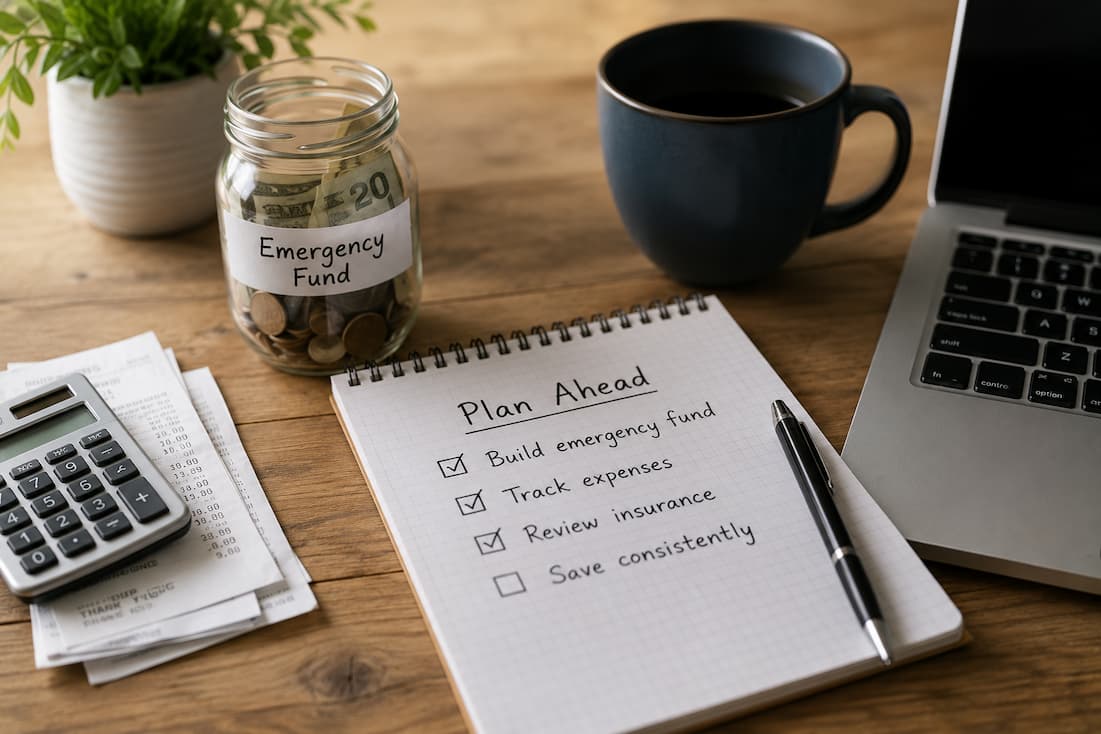
Emergency funds are one of the easiest methods to prepare for financial emergencies. It gives cash for unexpected expenses. Your salary, household responsibilities, job stability, and financial obligations determine your needs.
A significant emergency reserve is not necessary right away. Protecting with a small target is possible. As your finances improve, you can build that first reserve. Keep emergency funds somewhere that is easy to reach when needed but separate enough from daily expenditures to avoid using it casually. A financial buffer, not a shopping account, is the goal.
Make replenishing the fund a priority after the emergency. Otherwise, one unexpected expense can lead to another. Set an automatic transfer amount after each payday as a simple start. Even a tiny monthly contribution can establish a useful reserve without monthly decisions.
Know Your Family’s Operating Costs
Calculate household costs before choosing how much financial protection you need. Prioritize vital expenses over other lifestyle categories. Housing, utilities, food, transportation, insurance, minimum debt payments, and other non-negotiables should be considered. This shows you how much money your household needs during a hard time.
Your emergency fund need not cover all your expenses. In an emergency, someone who spends money on restaurants, entertainment, and non-essential buying may be able to cut back. Essential home costs are usually best to start with. This computation should be reviewed when conditions change. The amount of financial protection your household needs can fluctuate with a new mortgage, baby, job, or move.
Emergency Savings vs. Planned Irregular Costs
Households use emergency funds for foreseeable expenses, depleting them. A forgotten auto insurance renewal is rarely an emergency, but it can be unexpected. Annual subscriptions, routine maintenance, and seasonal costs are similar. Separate savings categories can simplify finances. You might save for annual costs, house maintenance, and an emergency fund. Knowing which money is for what is more crucial than the structure.
Divide the projected cost of your auto insurance over six months to set a savings goal. Your credit and emergency fund use will decrease when the renewal arrives. This system makes irregular spending predictable savings goals. It also preserves your emergency fund for true emergencies.
Insurance Review for Financial Preparation
Households have other protections besides savings. Insurance helps mitigate financial risks, but policies vary and may include exclusions, excesses, and coverage restrictions. Examine your insurance options. This may include home or renters insurance, auto insurance, health insurance, or life insurance if others depend on your income.
Do not assume a coverage covers all unforeseen expenses. Check what the policy covers, what excess you must pay, and any key exclusions. A seemingly comprehensive coverage may not cover your event. Insurance should supplement your emergency funds, not replace them. For an excess, temporary housing, repairs outside your coverage, or uninsured charges, you may require money.
Select Household Expenses Most likely to Cause Issues
Knowing where your household is susceptible helps you prepare for unforeseen costs. Think about the expensive products you use daily. Major vehicle repairs can be problematic if your car is required for work. Cold winter breakdowns of your home’s heating system may demand rapid care. Make a quick list of home assets or situations that may cost a lot if something goes wrong.
- Essential work or family vehicles.
- Major household appliances with high replacement costs.
- Heating, plumbing, or electrical issues that need immediate attention.
- Income-generating technology.
- Health or family expenses not covered elsewhere.
- Family emergency travel.
A detailed disaster strategy for every situation is unnecessary. This activity helps you identify household hazards so you can decide where savings, insurance, or other arrangements may be appropriate.
Reduce Financial Stress Before an Emergency
Financial planning goes beyond saving more. Reducing obligations that make budgeting tough is also important. A household with fewer fixed monthly commitments has greater flexibility for unforeseen expenses. Reconsider subscriptions, memberships, and rarely-used services. These may seem small, but eliminating them can boost your monthly budget.
Emergency management is also difficult with high-cost debt. Unexpected expenses may require further borrowing if you already have high debt. Prioritizing expensive debt and developing an emergency fund can improve your finances over time. Not all discretionary expenses should be eliminated. It is to know which commitments are necessary and which may be cut if your finances are altered.
Make a Simple Home Emergency Plan
Stress might impair thinking after an unexpected expense. A little pre-planning can lessen the quantity of immediate decisions. Your plan may specify where your emergency funds are, which bills must be paid first, and which expenses might be cut. Securely store insurance and account information for easy access. Sharing financial priorities with other adults in your household can also assist. If a large expense occurs, everyone should know which costs are most important and how to respond. An emergency plan should answer these practical questions:
- Emergency funds: how much is available?
- What household expenses are necessary?
- Which expenses could be halted or cut?
- What insurance coverage applies?
- Who should be called for major financial issues?
The plan need not be difficult. Its importance derives from a clear starting point when something unexpected happens.
Beware of Using Credit as Your First Defense
Credit can provide flexibility, but borrowing for every unforeseen need can create a cycle that becomes harder to manage. Credit card repairs may seem reasonable, but interest can add up if not paid on time. This does not mean all credit uses are improper. When an important expense exceeds funds, borrowing may be necessary. Understanding the cost and having a realistic repayment plan is crucial.
Before borrowing, assess whether the expense is urgent, if a cheaper solution exists, and if the payback will fit into your future budget. Avoid escalating a problem by taking on pricey debt without knowing the monthly impact. A little emergency fund might lower the amount you need to borrow for an unexpected expenditure.
Check your financial safety net regularly.
Unexpected expense preparation is ongoing. As household circumstances change, so should your financial backup plan. Reviews your emergency funds when your income changes, debt increases, or household grows. Check your insurance coverage and update your contact information and important papers often.
Consider how your emergency money did following an unexpected expense. If you required it but found it insufficient, that experience helps you plan ahead. If you saved too much while juggling other financial obligations, you may want to change your goal. The finest financial strategy isn’t flawless on paper. It reflects your current situation and is sustainable.
Conclusion
Family life includes unexpected bills, but financial hardship is avoidable. You can prepare for a large repair, urgent trip, or unexpected payment. Learn your critical monthly spending and distinguish emergencies from predicted irregular expenses. Build savings slowly, set aside funds for known needs, assess insurance, and identify household-disrupting bills.
Most essential, don’t wait for a financial emergency to act. A simple strategy developed in a tranquil era is easier to follow when things go awry. Avoiding uncertainty is not the goal. Give your family the financial freedom to handle it without jeopardizing vital costs or long-term aspirations.
FAQs
1. How much should a household keep for unforeseen expenses?
No quantity works for all households. Consider important monthly expenses, income stability, number of dependents, and other financial resources. Setting a realistic savings goal and gradually increasing it as circumstances allow.
2. Should I utilize emergency funds for annual bills?
Ideally, no. Sinking funds can be used to plan for predictable annual bills. Separating scheduled expenses from emergency funds protects your financial security for unexpected circumstances.
3. Where should I store emergency funds?
Keep emergency funds distinct from daily spending money and accessible when needed. The account you choose depends on your situation and your country’s savings products.
4. What if I can’t afford an emergency fund now?
Start small and save realistically rather than waiting until you can save a lot. Even a small reserve can protect. Look for recurring items you can cut and boost donations as your finances improve.